
Costa Rica’s weather follows two main seasons, yet it changes dramatically from the beach to the cloud forest. Dry season runs from December to April, and green season runs from May to November. On any given afternoon, though, Guanacaste can be blazing while Monteverde sits in cool mist.
We built this Costa Rica weather guide for parents who want honest answers before booking. Below, you will find a 12-month table, the real differences between seasons, a region-by-region look, and a simple plan for when to go to Costa Rica with family.
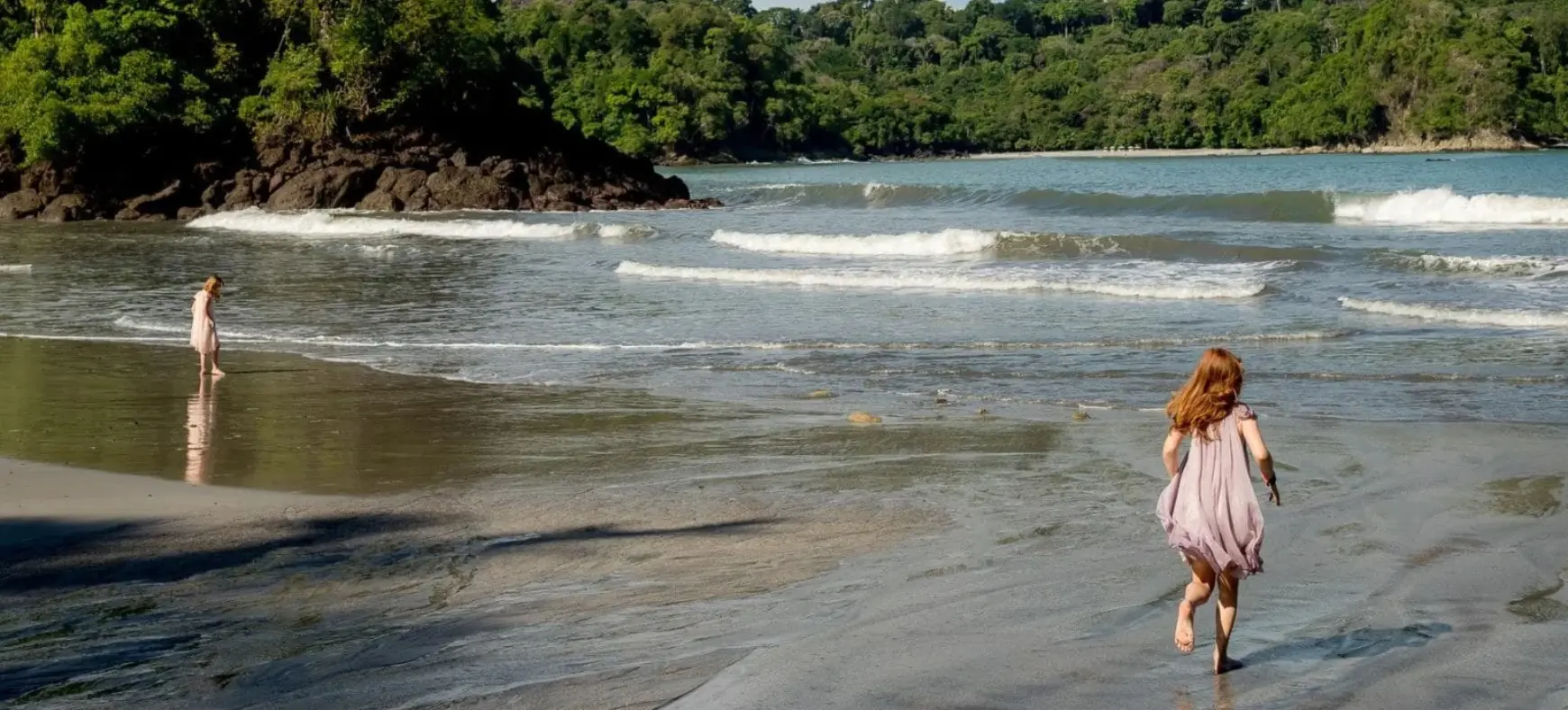
Costa Rica weather by month, at a glance
Costa Rica weather by month splits into a dry season from December to April and a green season from May to November.
April and November act as transition months. On the Pacific side, September and October are the wettest. The Caribbean side runs on its own calendar, so it is often drier when the Pacific is soaked.
| Month | Pacific side | Caribbean side | What families notice |
| January | Dry | Rainy spell (November to January) | High season, so book early |
| February | Dry | Drier spell | Peak sun; tours sell out |
| March | Driest and hottest | Drier spell | Start tours early |
| April | Transition, mostly dry | Occasional showers | Easter week is busy |
| May | Rains begin | Rainy period starts | Greener, with fewer crowds |
| June | Green season | Rainy | Showers start near 2 p.m. |
| July | Short dry break (veranillo) | Wettest month | Green turtle nesting begins |
| August | Veranillo continues | Rainy period ends | Whale season at Ballena runs July to October |
| September | Wettest | Drier spell | A smart Caribbean month |
| October | Wettest | Drier spell | Green turtle nesting wraps up |
| November | Transition, rain easing | Rainy period returns | Quiet and very green |
| December | Dry season begins | Wettest month | Holiday crowds, so book early |
Quick takeaway for families
Use this table as your quick reference for Costa Rica weather by month, then open the monthly posts for details.

Why there is no single Costa Rica weather
Costa Rica has no single weather because mountains, altitude, and two coastlines split a small country into separate climate regions. The national weather service, the IMN, maps seven of them. As a result, a beach day in Guanacaste and a cloud forest walk in Monteverde can feel like different trips.
The biggest divide runs between the Pacific and Caribbean slopes. According to the IMN, the Pacific side has a well-defined dry season from December to March. The Caribbean side has no clear dry season, and even its least rainy months receive about 100 to 200 mm of rain.
Altitude adds another layer. In February, for example, Pacific coast days reach 85 to 95°F (29 to 35°C), while Monteverde days sit at 65 to 75°F (18 to 24°C). That gap of about 20 degrees is why knowing Costa Rica weather by month helps you plan better once you’ve picked a region.
Expert tip: Check the forecast for each stop, not just for San José. A family that splits time between the coast and the mountains should pack for both.
Dry season vs. green season with kids
For families, Costa Rica weather by month comes down to two modes. Dry season means predictable sun, hotter beaches, and busier trips. Green season means sunny mornings, afternoon showers, muddy trails, and quieter attractions. Neither is better, because each simply asks for a different plan.
Dry season (December to April)
- Weather: Pacific days are mostly sunny and dry. Coastal highs can reach 95°F (35°C), so early tours between 7 and 10 a.m. beat the heat.
- Mud and roads: Trails stay dry, and driving is simpler.
- Crowds and prices: High season brings higher hotel rates, tours that sell out early, and busy national parks. Book four to six months ahead, especially family rooms.
- Trade-off: Holiday weeks, including Easter week, are the busiest of all.
Green season (May to November)
-
- Weather: Mornings are usually dry. Showers often start around 2 p.m. and last one to three hours.
- Mud and roads: Trails get slick, and afternoon drives take longer. Add 30 to 45 minutes to transfers after lunch.
- Crowds and prices: Attractions feel calmer, bookings are easier, and many hotels offer green-season rates.
- Kid energy: Humidity makes kids sweat, drink more, and tire sooner. Plan pool or hot springtime for the afternoon.
Takeaway: Pick dry season for certainty and pick green season for space and scenery.
Weather by region: Guanacaste, La Fortuna, Monteverde, Caribbean
Costa Rica weather by month also depends on where you stand. Guanacaste is the hottest and driest region, La Fortuna is warm and showery, and Monteverde is cool and misty. The Caribbean runs on an inverted calendar.
Guanacaste
Guanacaste follows the Pacific pattern, so it is hot and dry from December to March. In March, coastal days reach 85 to 95°F (29 to 35°C). Even in June, highs range from 75 to 91°F (24 to 33°C).
La Fortuna and Arenal
Dry season temperatures run from 70 to 90°F (21 to 32°C), and green season runs from 70 to 85°F (21 to 29°C). Rain falls in short, heavy bursts, usually in the afternoon. July and August often bring a drier “little summer,” while September and October are the wettest months. For every month in detail, see our La Fortuna weather guide.
Monteverde
Monteverde stays cooler, windier, and damper than the lowlands. February days run 65 to 75°F (18 to 24°C), and nights drop to 55 to 60°F (13 to 16°C). Bring a warm layer even when the coast is roasting.
Caribbean coast
The Caribbean has an inverted pattern. Its drier spells fall in February and March, then again in September and October, when the Pacific is at its wettest. Wetter periods run from November to January and from May to August. In February, Puerto Viejo days sit at 82 to 88°F (28 to 31°C). Plan wildlife outings rather than beach time on rainy days.
Best time to visit Costa Rica with kids
The best time to visit Costa Rica with kids depends on your priorities. December to April brings the most predictable sun, while May and August combine good weather, quieter attractions, and lower rates. Choose your region first, then match it to the calendar. The shortcuts below make that decision faster.
If you are deciding when to go to Costa Rica with family, use these shortcuts:
- Goal: reliable sun for little ones. Choose from December to April, because Pacific beaches are driest then. Book four to six months ahead.
- Goal: fewer crowds and a greener trip. Choose May or August, because showers stay short and attractions are calmer.
- Goal: summer school break. Choose July or August, because the veranillo brings a drier stretch to the Pacific side.
- Goal: Caribbean time. Choose February, March, September, or October, because those are its drier spells.
- Goal: turtles and whales. Choose from July to October, because both peak in that window.
- Goal: Pacific beaches only. Skip September and October, the wettest months.
Trade-off: No month is perfect everywhere. In Costa Rica weather by month, dry season trades crowds for certainty, while green season trades certainty for space.
Read more: see how June and July compare for family trips or revisit our overview of when is a good time to travel to Costa Rica.
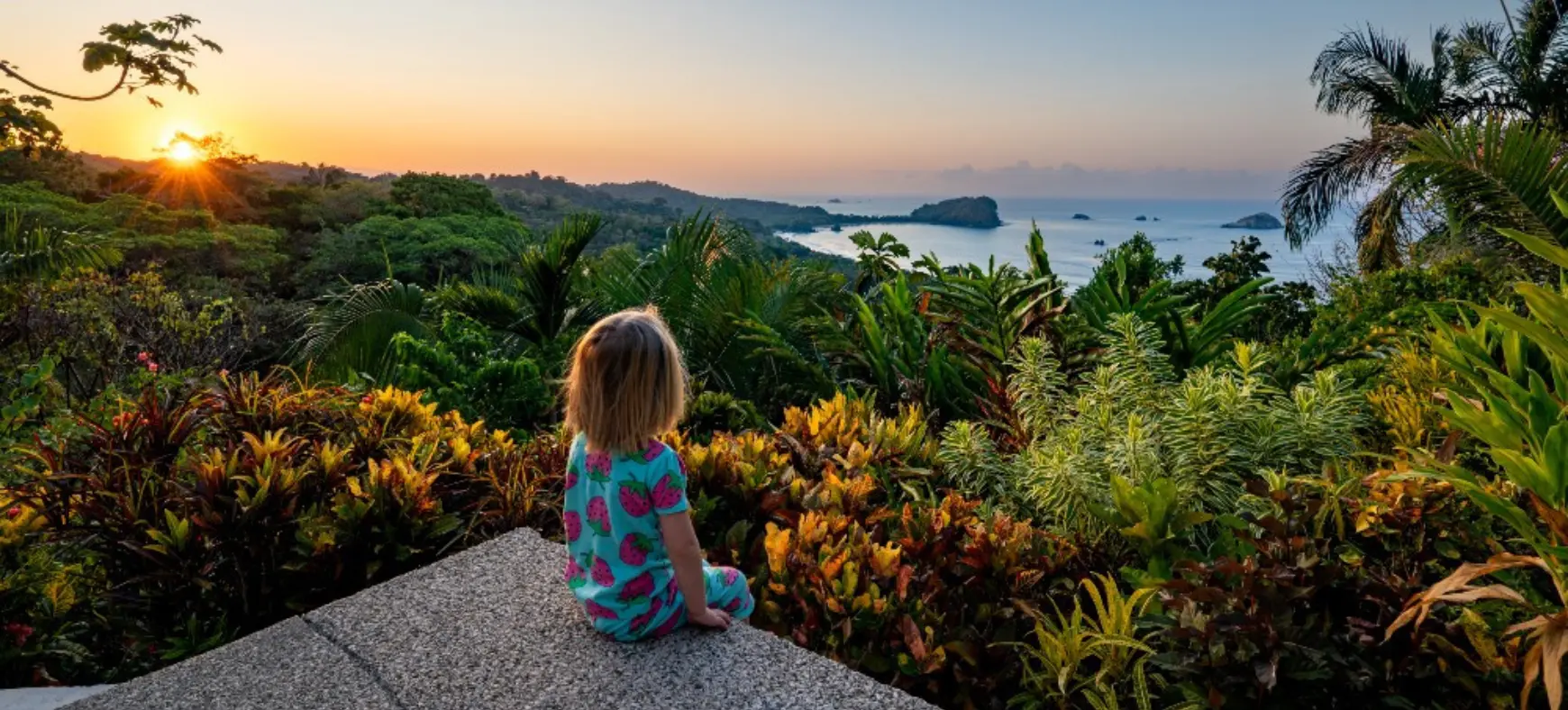
Weather and wildlife: turtles, whales and green season
Costa Rica weather by month also shapes wildlife viewing, because green season hosts big events. Green turtles nest at Tortuguero from July to October, according to the Tortuguero conservation area. Humpback whales reach Ballena National Marine Park in the same months, per the Costa Rica Tourism Board. Rainy months can suit animal-loving kids.
Sea turtles at Tortuguero
Green turtle nesting peaks in July and August. Hatchlings then emerge from September to December. Leatherbacks nest earlier, from March to May. For species-by-species timing, read our guide to the best time for turtle watching in Tortuguero.
Guided night walks run from March to October, between 8 and 10 p.m. That is a late night for little ones, so plan a slow morning afterward. Visitors must stay on the trails, and swimming in the sea and lagoons is not allowed. On the Pacific side, olive ridley turtles also arrive in large numbers at Ostional from July to November, per the tourism board.
Humpback whales
Humpbacks visit Ballena National Marine Park every year to breed. Southern whales arrive from July, and August to October is the peak, mostly around Uvita, Drake Bay, and the Osa Peninsula. A smaller northern group passes Guanacaste and the Gulf of Papagayo from December to March, with sightings possible into April. Very few whales appear in May and June.
Takeaway: Wildlife keeps its own calendar, so match the animals to the month before you match the beach.
Expert tip: Keep a rain jacket in the daypack year-round if you visit La Fortuna, Monteverde, or the Caribbean. Rain can show up in any month there.
Our family packing list for Costa Rica adventures covers shoes, daypacks, snacks, and gear for babies and toddlers in detail.
Costa Rica weather FAQ
What is the weather like in Costa Rica in April?
April is the final month of dry season, so most days are hot, sunny, and mostly dry on the Pacific side. The Central Valley feels milder, while the Caribbean coast is warmer, more humid, and prone to occasional showers. The IMN treats April as a transition month, so a few afternoon clouds are normal. Our April weather guide covers activities and packing.
Is April a good time to visit Costa Rica with kids?
Yes, if you book early. April offers sunny beach days, wildlife tours, and volcano hikes. However, Easter week brings larger crowds and busy lodging, so reserve tours and rooms well ahead for those dates. Our April family guide explains what to expect before traveling.
What is the average temperature in Costa Rica in June?
Coastal highs run about 86 to 90°F (30 to 32°C) in June. The Central Valley ranges from 63 to 79°F (17 to 26°C), and Monteverde runs from 60 to 75°F (16 to 24°C). Mornings are usually dry, so schedule outdoor plans early. Our June weather guide has the full regional breakdown.
What is the best time to visit La Fortuna, Costa Rica?
December to April is the most popular window, with sunny days and dry trails. July and August also work well, because a drier spell called the veranillo interrupts the rains. September and October are the wettest months.
What is the weather like on the Caribbean side of Costa Rica?
The Caribbean coast has no true dry season, and even its least rainy months get about 100 to 200 mm of rain, according to the IMN. Its drier spells are February and March, plus September and October. Wetter periods peak in December and in July. In short, check the Caribbean separately from the Pacific.
Plan your trip around the weather you want
The best answer to Costa Rica weather by month is a plan, not a single date. Choose dry season for sun, green season for space, and the Caribbean when the Pacific is soaked. Then match your region to your dates, and pack for the weather you will actually meet.
If you would like a hand, our team will build a family itinerary around your dates through our family vacation planner. Eyeing the shoulder months? Start with our May weather guide. Then bookmark this Costa Rica weather guide and return as your dates firm up. Pura Vida!
Recommended Costa Rica Tours
From: $75

White Water Rafting Río Balsa (Class 2 & 3)
Exciting half-day white-water rafting trip on Rio Balsa, with Class II-III rapids suitable for children (ages 8-11).
From: $85
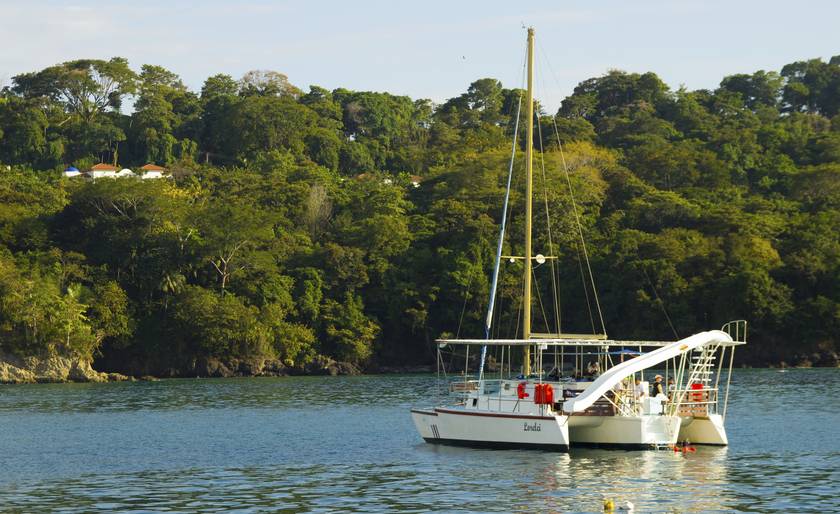
Catamaran Dolphin and Snorkel Sail
Dive into family fun with Costa Rica for Kids’ Catamaran Snorkeling Tours. Explore vibrant marine life and catch stunning sunsets at sea!
From: $75
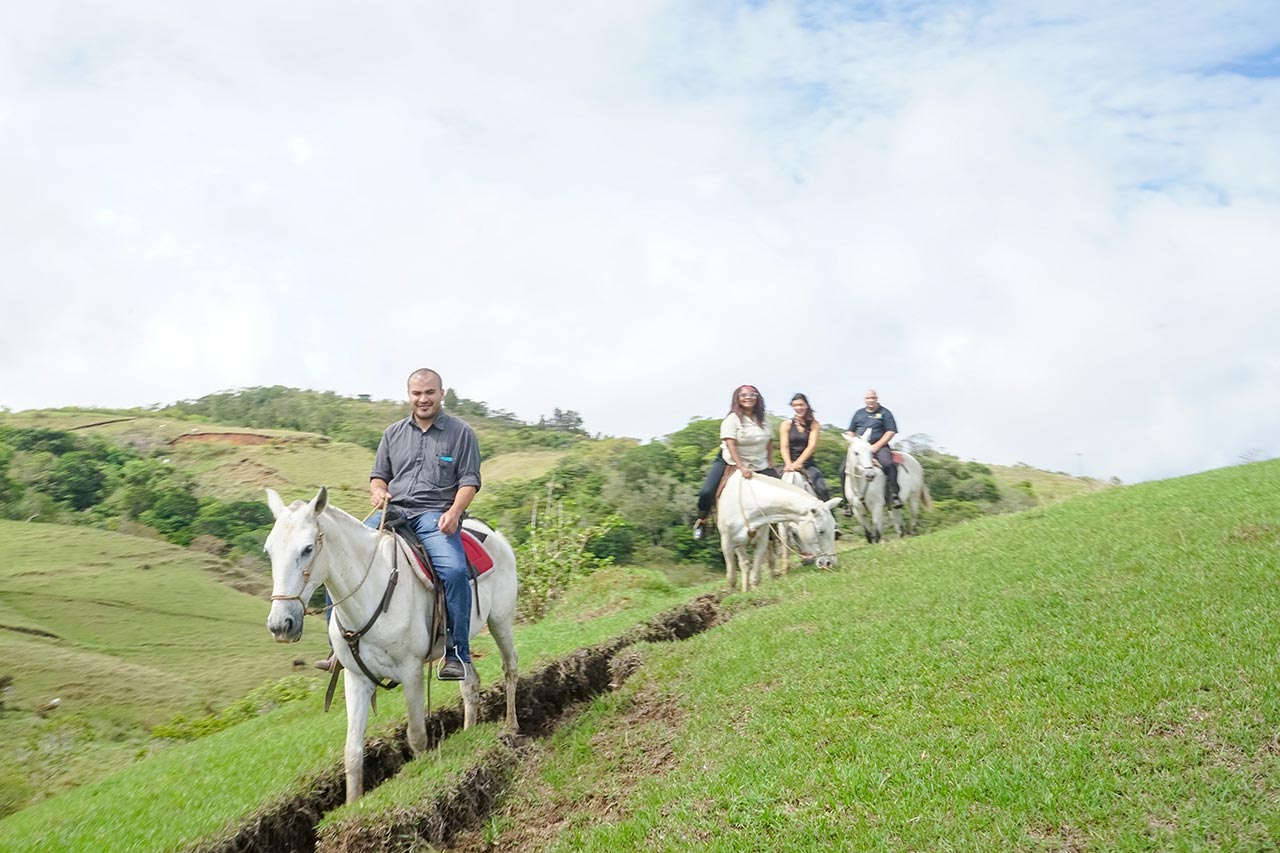
Horseback Riding Tour in Monteverde
On this COSTA RICA FOR KIDS tour, kids as young as six can saddle up for a family horseback adventure through some of the most picturesque viewpoints.